How to Spot a Real vs Fake Luxury Elopement Portfolio
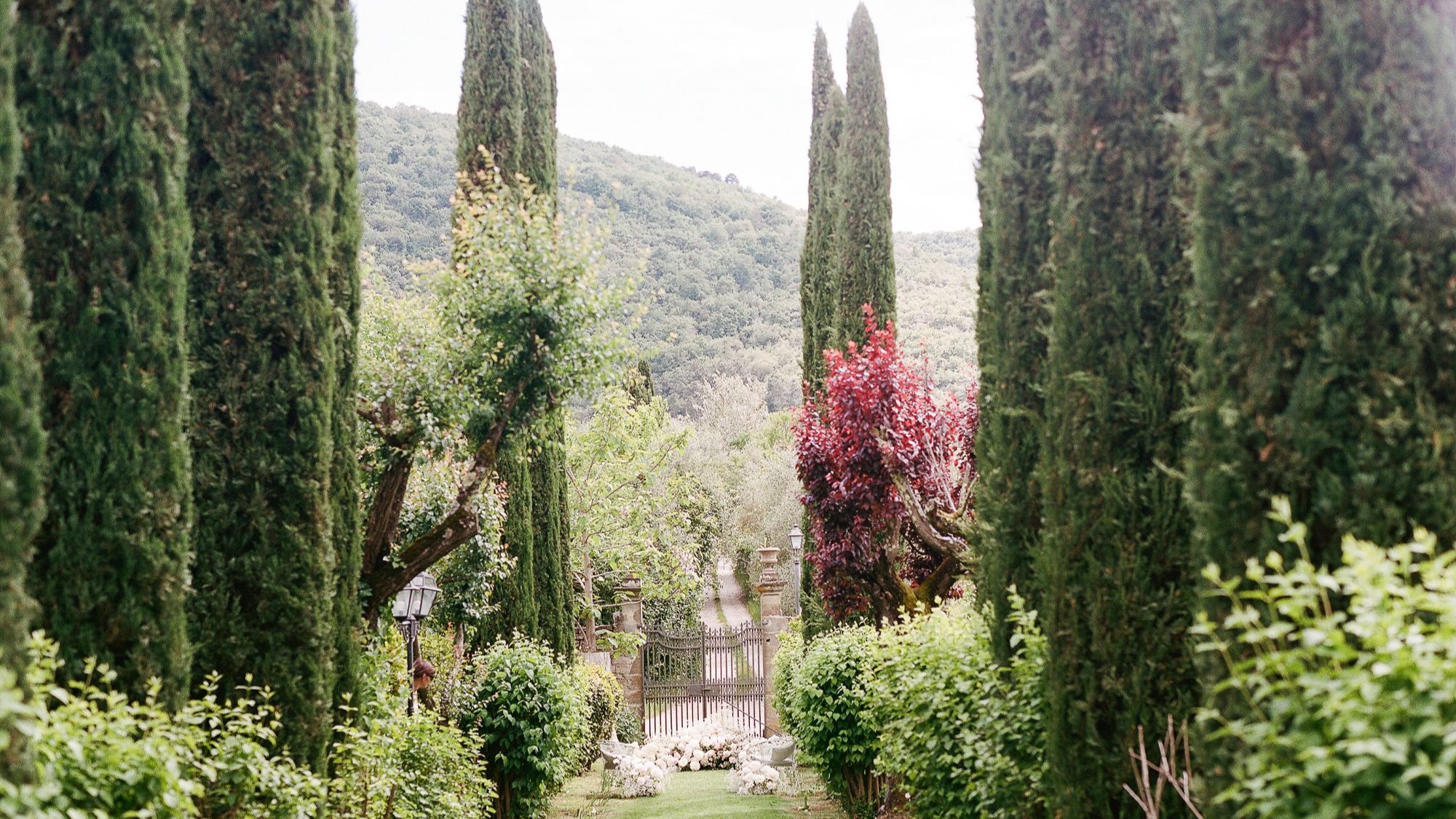
Something is happening in the luxury elopement and wedding space right now that almost nobody is talking about, and it could cost you far more than your budget if you don't know what to look for.
AI-generated images have gotten good enough to fool even a trained eye.
A vendor with zero real client work can generate a convincing portfolio in an afternoon.
Tuscany villas.
Elegant tablescapes.
Couples that never existed.
Elopements that were never designed, never photographed, never lived.
Before you sign anything, watch this video, and then read on.
The AI Problem Nobody in the Wedding Industry Is Naming
AI image generators have fundamentally changed what a portfolio can mean. In minutes, anyone can produce photorealistic wedding images that look indistinguishable from real work, at first glance.
The problem is that most couples are only seeing three or four images at a time.
- An Instagram grid.
- A homepage hero image.
- A Pinterest pin.
At that scale, a well-prompted AI image and a real photograph from a designed elopement in Tuscany can look identical.
This is not a hypothetical risk.
It is happening now, and the couples most vulnerable are the ones spending the most, because high-end elopements involve significant financial and emotional investment, and the stakes of booking the wrong person are high.
The good news: there is a reliable way to tell the difference. It just requires knowing what to look for and where to look.
What a Real Luxury Elopement Portfolio Actually Looks Like
The first thing to understand is that one stunning image proves nothing.
Anyone can have one great image, real or generated.
What you are looking for is depth.
A real luxury elopement produces a substantial body of work from a single event.
Think forty images minimum, not a curated highlight selection, but a full gallery that shows the arc of the day.
- The arrivals.
- The ceremony.
- The table.
- The portraits.
- The candid moments between.
- The details up close.
That depth is impossible to fake at scale.
AI images look beautiful individually but they do not hold together as a coherent experience, because they never were one.
When you look at a full gallery from a real designed elopement, you see something entirely different: continuity.
The palette that runs from the florals through the attire through the table setting.
The light changing across the day.
The couple in real, unscripted moments that no prompt can generate.
If a vendor cannot show you a full gallery from a single real event, not a curated selection but a full gallery, that tells you everything you need to know.
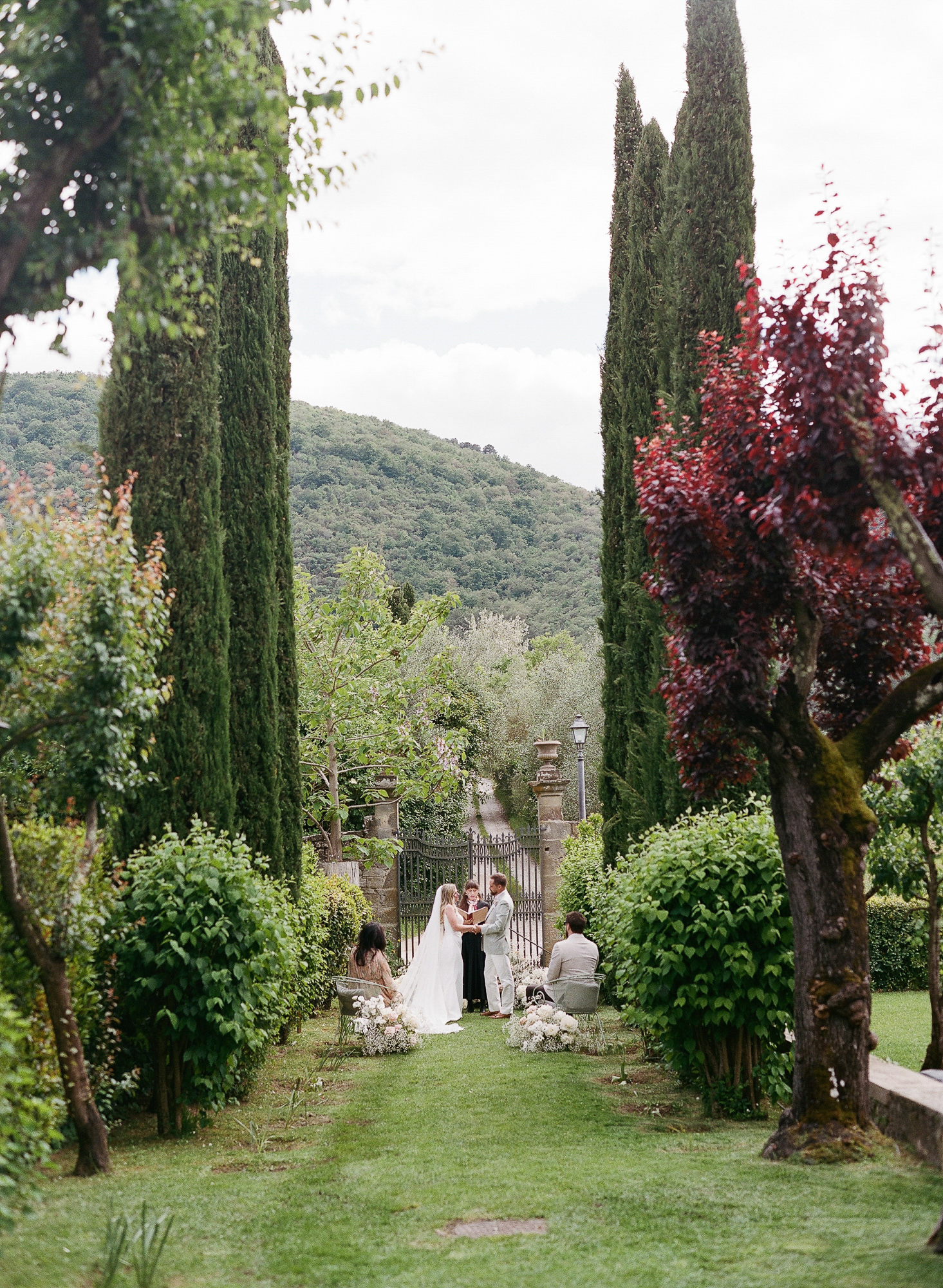
Three Things to Look for Across a Body of Work
Once you are looking at full galleries, here is what to evaluate across multiple events:
- First, consistency across the portfolio. Does the quality hold from gallery to gallery, or are there one or two impressive events and then a noticeable drop? Real expertise produces consistent quality across many events, in different destinations, with different couples, in different conditions. Inconsistency is a signal worth taking seriously.
- Second, look for design cohesion within each gallery. Look at every element, the florals, the table, the attire, the setting. Do they speak the same visual language, or do they feel assembled rather than designed? A truly designed elopement has a point of view that runs through every single detail. When that cohesion is missing, you can usually sense it even if you cannot name exactly why.
- Third, destination experience. There is a meaningful difference between a designer who has worked extensively in a destination and one who has visited it once. Working in a place means knowing the light, the vendors, the culture, the logistics, the seasonal conditions. It shows in the work, in the way the design responds to the landscape rather than being imposed on it. If you are planning an elopement in Malibu, California look for a portfolio that shows real, repeated work there.
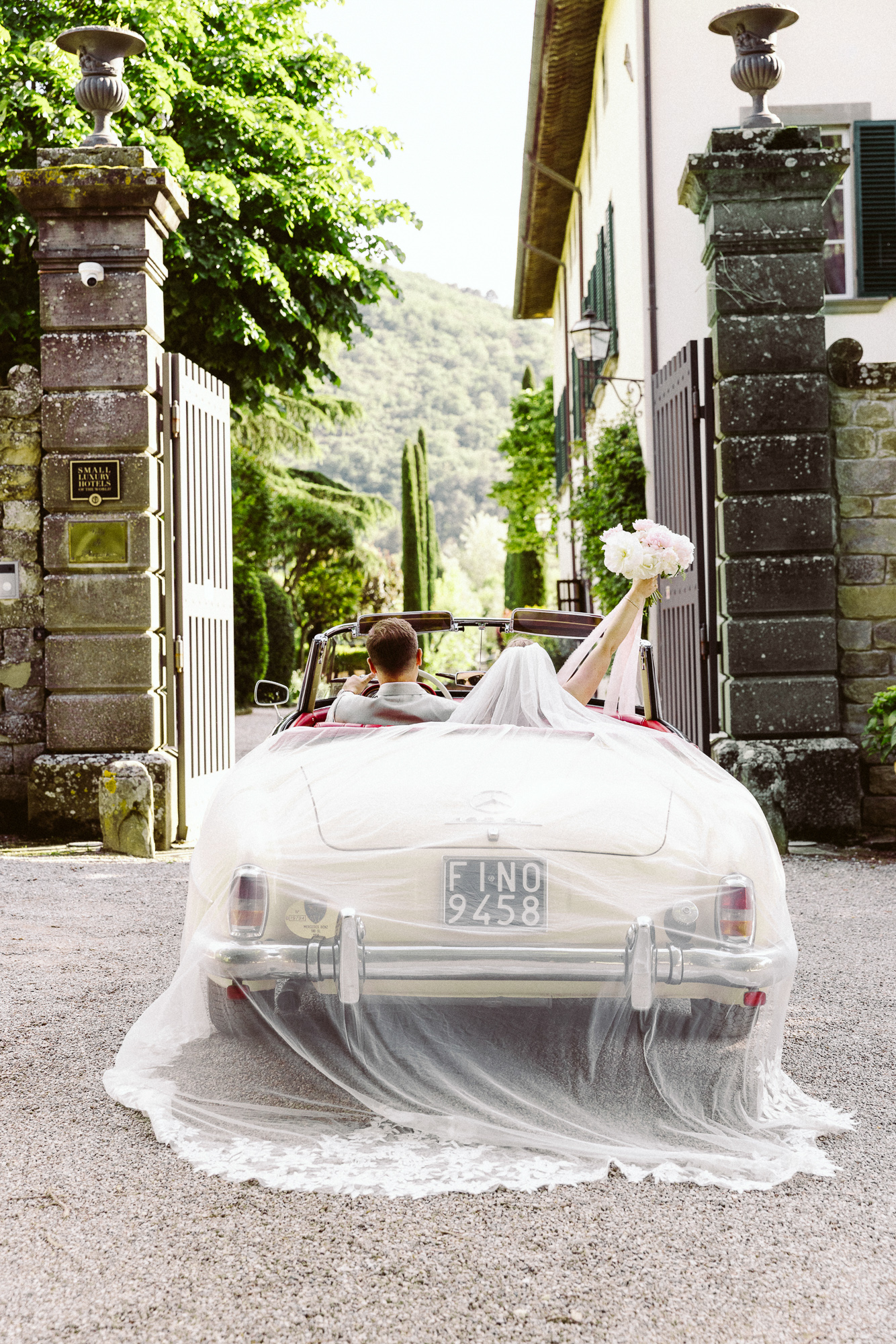
Use This as Your Benchmark
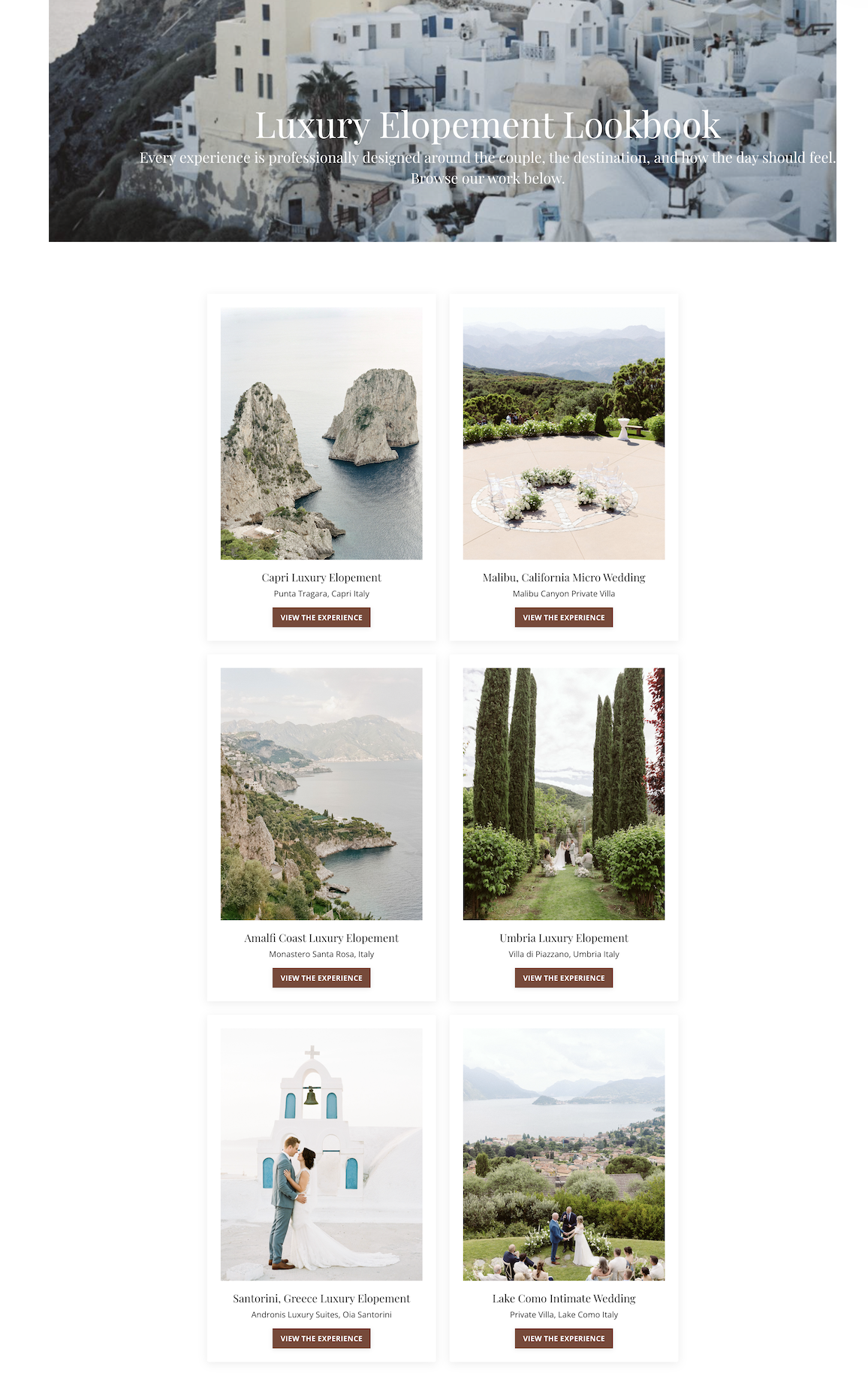
I have a Lookbook on The Elopement Experience website built specifically for this purpose.
It is a curated collection of real luxury elopements, real couples, real destinations, real designed work.
No AI images.
No styled shoots.
No stock photography.
Full galleries of forty-plus images per event, showing exactly the kind of depth and cohesion that distinguishes real expertise.
Use it the way I have described above.
Look at the design of each gallery.
Look for the through-line from one detail to the next.
Look at the range of destinations.
Then take that same eye to the portfolio of anyone else you are considering.
The link is in the description below and at the bottom of this post.
One More Thing Before You Book Anyone
The luxury elopement market has grown fast, and with that growth has come noise.
Vendors of every kind attaching the word luxury to work that does not reflect it, and now AI making it possible to simulate a portfolio entirely.
There are also legal dimensions worth knowing.
A vendor cannot copyright AI-generated images under current US law, meaning they have no legal ownership of a portfolio built on generated images.
New York has already passed a law requiring disclosure when AI-generated human images are used in advertising, with other states moving in the same direction.
Within the wedding industry specifically, legal professionals are already advising photographers and vendors to include AI disclosure clauses in their client contracts.
The direction is clear: transparency around AI use is becoming both a legal expectation and a professional standard. Presenting AI images as real client work runs counter to both.
Your protection is your own discernment. Ask for a full gallery. Look for cohesion. Look for consistency. Look for destination depth. Take your time. This is not a decision to make based on three images and a good Instagram bio or feed.
A real body of work will hold up to scrutiny. If a portfolio cannot, that is the answer you need.
View the Elopement Experience Lookbook: theelopementexperience.com


